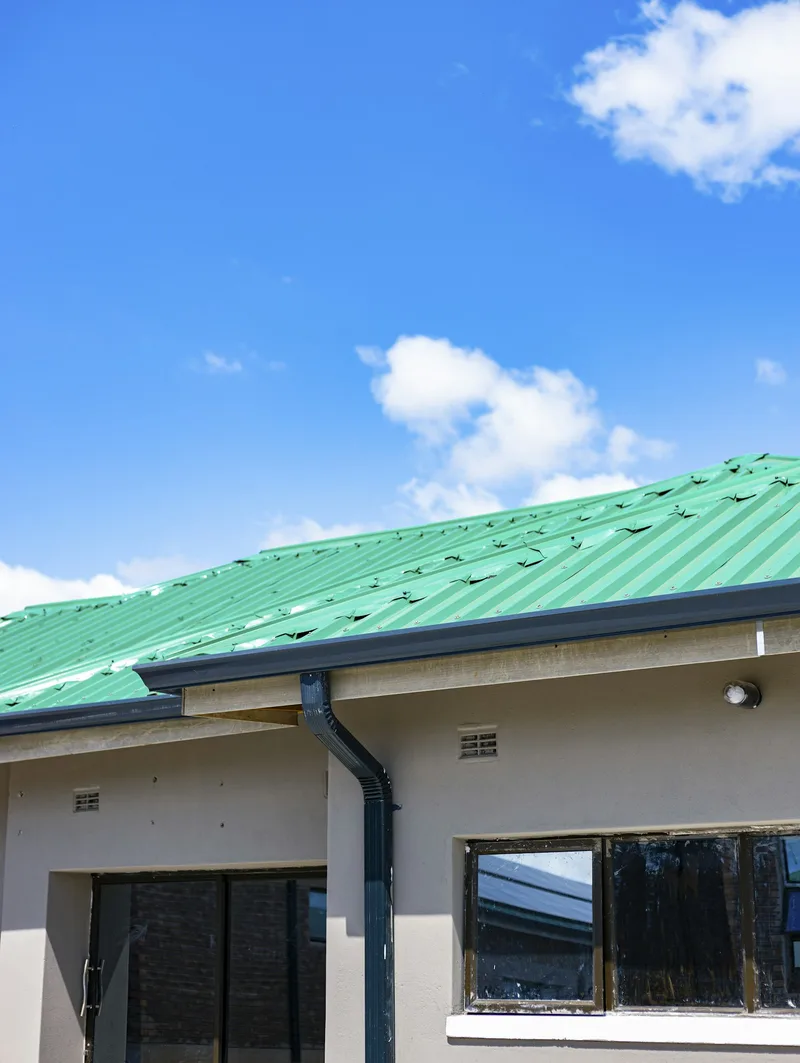
Every good metal roof in Fredericton starts the same way: with a careful look at the house it has to protect. Before anyone talks about panel profiles or colours, a local professional should walk each slope, measure every plane, check the decking from above and the attic from below, and ask how the current roof has behaved in past winters. That visit is where the real plan gets made, because two houses on the same street can need different answers once pitch, overhangs, chimneys, valleys, and tree cover are taken into account.
Fredericton housing stock makes that first look especially important. Brick heritage homes on the downtown streets and in Silverwood have steep pitches, tall chimneys, and details that reward careful flashing. Postwar bungalows in Nashwaaksis often hide older decking and ventilation that was never designed for today's insulation levels. Split-levels in Forest Hill mix pitches on a single roof, newer subdivisions in Southwood Park tend toward long, simple runs, and rural lots near Barker's Point and Skyline Acres add long driveways, limited access, and heavy tree cover to the planning. A roof plan that fits one of those houses will not automatically fit the next.
What the river valley does to a roof
The Saint John River shapes Fredericton weather in ways a catalogue never mentions. Damp valley air and foggy mornings keep roofs wet longer after rain, and spring melt arrives with real force when snowpack, rain, and a thaw land in the same week. Add the city's freeze-thaw rhythm, where a sunny afternoon melts snow that refreezes overnight, and you get the exact conditions that pry at shingles, feed ice dams at the eaves, and test every flashing on the roof.
That is why the planning conversation should spend more time below the panel than on it. Ice and water protection belongs at eaves, valleys, and low-slope sections. Drip edges, valley liners, and chimney and skylight flashing need to be formed for movement and sealed for meltwater, not just caulked. And snow management has to be decided during planning: a roof that sheds snow beautifully is only a success if that snow lands somewhere safe, away from entries, decks, and driveways.
Ventilation, the part you never see
Ask about the attic, and listen closely to the answer. Warm, moist air from kitchens, bathrooms, and laundry rooms rises into the attic all winter, and if intake and exhaust ventilation are out of balance, that moisture condenses on cold decking and framing. Over seasons, it can rot wood that looked fine from outside. A thorough installer checks soffit vents for blockages, confirms bathroom fans vent outdoors rather than into the attic, and flags insulation that has drifted over vents. Those findings belong in the written scope, not in a verbal aside.
What install week actually looks like
Once materials are ordered, most Fredericton homes see a crew for several days to about two weeks, depending on size, pitch, and complexity, with weather days built into the schedule rather than promised away. Work usually starts with staging and protection for lawns and driveways, then tear-off or preparation, underlayment, panels, flashing, trim, and snow guards, in that order. The roof is covered at the end of each day, so a surprise evening shower or an early frost does not become an indoor problem. Expect daytime noise, a materials bin, and a final magnet sweep for stray nails, and ask in advance where the bin will sit and how the crew will protect gardens and walkways.
Cost, in honest terms
Quotes for a full metal roof vary widely, and the exact pricing depends on the full scope of work. Roof area, pitch, the number of valleys and penetrations, how many layers come off, decking condition, panel profile, and site access all move the figure, which is why a phone estimate means very little. A useful written quote itemizes each of those parts, names what would change the price if hidden damage appears, and states the timeline and warranty terms plainly. Compare quotes that describe the same complete system, and be wary of any figure that leaves ventilation, flashing, or disposal as someone else's problem.
- Standing seam metal roofing, planned around clips and concealed fasteners
- Metal roof replacement when the old roof has run its course
- Metal roof repair for a local leak, panel, or flashing failure
- Snow guard installation so shed snow lands where it should
- Forest Hill and Southwood Park homeowners, start with an on-site assessment
Questions, answered
The professional measures each roof plane, inspects the decking and attic, photographs problem areas, and talks through panel options, ventilation findings, and snow management. You should leave with a written scope and a timeline, not just a price.
North-facing slopes hold snow longer and melt later, while south-facing slopes cycle through melt and refreeze more often. That changes where ice protection, snow guards, and ventilation attention matter most, so a good plan treats each slope on its own terms.
Most homes take several days to about two weeks on site, depending on roof size, pitch, complexity, and weather. Your written quote should state the expected schedule and how the roof will be protected overnight and between workdays.