Nashwaaksis is a northside neighbourhood built around the Main Street corridor, with family streets, schools and parks that make it a popular choice for households looking for a settled, practical community. Much of the housing stock includes postwar bungalows and split level homes, alongside later subdivisions with two storey family houses. Streets such as Main Street, Brookside Drive, Fulton Avenue and the roads around the school zones share a pattern of modest lots, driveways, garages and mature trees. Roofs here tend to be straightforward in shape, but age and past additions still create a wide range of conditions from house to house.
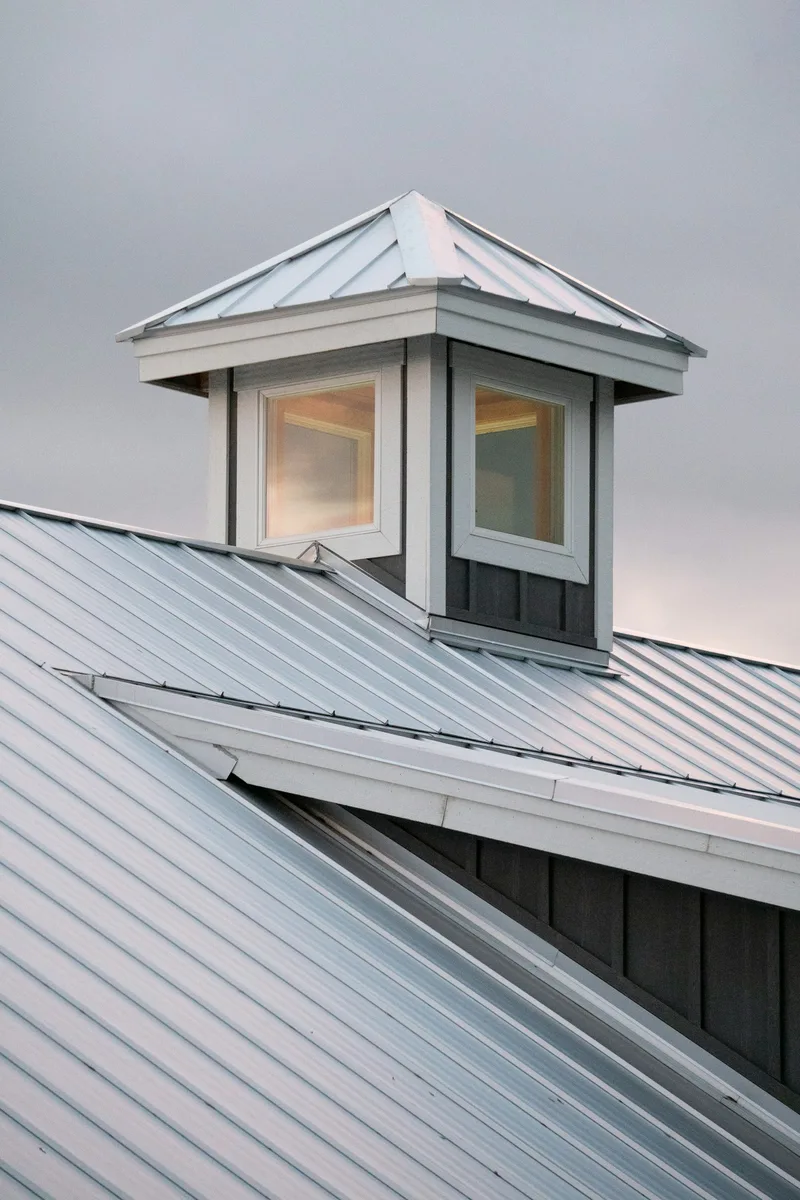
Postwar bungalows often have lower pitches than the steep heritage roofs downtown. A lower pitch sheds snow more slowly, which means snow can sit longer and meltwater needs a reliable path off the roof. Valleys, eaves and the junction where a garage roof meets the house roof deserve close attention. Metal roofing is well suited to these roofs because its smooth surface helps snow and water move, and its interlocking panels resist wind uplift. The key is choosing a profile and fastening system rated for the actual pitch of the house, since not every metal product is appropriate for every slope.
Ventilation is a frequent issue in Nashwaaksis bungalows. Many of these homes have low attics with limited airflow, and some have insulation that has settled or blocked the soffit vents over time. Without steady airflow, warm moist air from the house can condense on the underside of the roof deck in winter, while summer heat can build up and age the roofing from below. A roofing project is a good time to check soffit and ridge ventilation, baffle placement and bathroom exhaust routing. Correcting those details can reduce ice dam risk and help the new roof last as intended.
The Saint John River valley climate adds freeze and thaw stress throughout winter and early spring. Snow accumulates, melts during mild spells and refreezes at the eaves, and that cycle can work water under shingles or into flashing joints. Ice protection membranes at the eaves and in valleys, combined with proper drip edge and gutter details, give meltwater a safer route. For homes with entrances under a roof slope, snow retention may also be worth discussing so that sliding snow does not drop onto a walkway or porch. A snow guard installation can be planned with the pitch and panel type in mind.
Families in Nashwaaksis often want a roof that is quiet, durable and low maintenance, especially when children play in the yard and neighbours are close by. Metal roofs can be noisier in heavy rain if the attic and insulation details are poor, so installers should discuss underlayment, decking and attic insulation as part of the system. Colour and profile choices can also help a bungalow look updated without clashing with neighbouring homes. A metal roof installation that respects the scale of a bungalow, with clean trim and well finished edges, tends to suit this neighbourhood best.
Repairs remain important for many Nashwaaksis homeowners, particularly after wind events or when a single valley or flashing joint begins to leak. A metal roof repair can address storm lifted panels, failed sealant or damaged flashing before water reaches the interior. If leaks are widespread or the roof is simply at the end of its service life, replacement may be more economical over time than repeated patching. We connect you with local Fredericton professionals who can inspect the roof, explain the options in plain language and provide a clear scope. You can start by visiting our contact page.
Popular metal roofing projects in Nashwaaksis
- Metal Roof Replacement when an aging asphalt or metal roof has reached the end of its service life
- Standing Seam Metal Roofing for clean lines and strong snow shedding
- Metal Roof Repair for leaks, loose fasteners and storm damage
- Snow Guard Installation to control sliding snow and ice over entries and walkways
- Metal Roof Restoration to extend the life of an existing metal roof