Fredericton winters create the perfect conditions for ice dams. Snow builds up on a roof, heat escapes from the house below, the lower layer of snow melts, and that water refreezes at the colder eaves. Over time, the ice ridge traps more meltwater behind it, and that water can work its way under shingles, into soffits, and down interior walls. Metal roofing is often mentioned as a solution, but it is only part of the story. The roof surface matters, but what happens underneath the roof matters just as much. Metal Roofing Fredericton connects homeowners with local professionals who can look at the whole roof system, not just the top layer, and help you decide what will actually reduce the risk for your home.
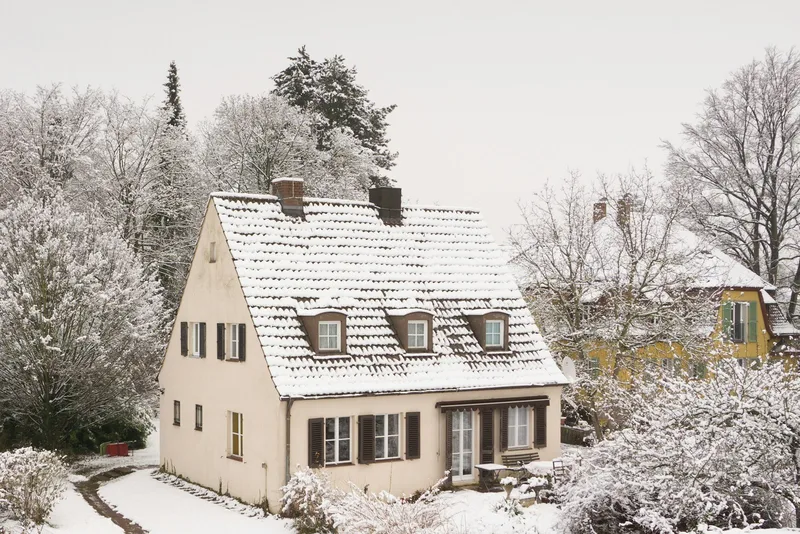
Why ice dams form in Fredericton winters
Fredericton sees long cold spells broken by milder days, plus steady snow through the winter and a slow spring melt. That freeze-thaw pattern is the key problem. When attic air is warmer than the outside air, snow on the upper roof melts even when the air temperature is below freezing. The water runs down to the eaves, which extend past the warm house and stay cold, and it freezes there. Icicles alone do not always mean a serious ice dam, but thick ice along the eaves, ice in gutters, and water stains on ceilings or upper walls are signs worth checking. Homes on both the northside and the southside can develop ice dams, and older homes with less insulation are often more vulnerable, especially if warm air is leaking into the attic through light fixtures, attic hatches, or gaps around pipes and chimneys.
Why a metal roof alone does not solve the problem
A smooth metal roof can shed snow more readily than a rough shingle roof, and that can reduce the amount of snow sitting on the surface. That is a real advantage in a snowy New Brunswick winter. It does not, however, fix uneven roof temperatures. If heat is still escaping into the attic, snow will still melt from below and refreeze at the eaves. A new metal roof installed over a warm, poorly ventilated attic can still develop ice dams. This is why a good local assessment starts inside as well as outside. A professional should ask about past leaks, attic insulation levels, bathroom fans venting into the attic, and whether ice has formed in the same place year after year. Solving the heat loss is what stops the cycle at its source.
Ventilation and insulation do most of the work
The goal is a cold roof deck in winter, meaning the underside of the roof stays close to the outside temperature. That usually requires a balance of insulation and ventilation. Insulation slows heat moving from living spaces into the attic. Sealing air leaks matters too, because warm, moist air can carry a surprising amount of heat through small gaps. Ventilation then helps carry away any remaining heat and moisture. Soffit vents, ridge vents, and clear airflow paths all play a role, but the right combination depends on roof shape, attic layout, and existing construction. Requirements and best practices can vary by home and by current building rules, so confirm the plan with a qualified local professional rather than copying a neighbour's setup. If you are planning a full change, a metal roof replacement is a good time to correct these underlying issues while the roof is open.
Roof shape, valleys and eaves matter
Not every part of a Fredericton roof behaves the same way. Valleys collect snow and meltwater, dormers create shaded pockets where snow lingers, and low slope sections drain more slowly. South facing slopes may melt during a sunny cold day while north facing slopes stay frozen, which can push water toward shaded eaves. Overhang depth, gutter placement, and the transition from a heated wall to an unheated porch roof can also create cold spots. A careful installer will look at these details before recommending a profile or finish. Proper underlayment and ice protection at eaves and valleys are part of a complete system, and flashing around chimneys, skylights, and wall intersections needs to be watertight. These details are easy to overlook from the ground, but they decide whether meltwater stays outside during a January thaw or a March melt.
Snow guards, gutters and safe snow handling
On a metal roof, snow can release in large sheets. That is one reason snow guard installation is often discussed for Fredericton homes, especially above walkways, driveways, decks, and entrances. Snow guards do not prevent ice dams by themselves, but they help control how snow leaves the roof and protect people, gutters, and landscaping below. Gutters also need attention. Clogged or sagging gutters can hold ice and add weight, and downspouts that drain too close to the foundation can create spring problems when meltwater finally releases. Removing heavy snow with a roof rake from the ground can help in some cases, but walking on a snowy or icy roof is dangerous and can damage roofing. If ice has already formed, avoid chipping at it with sharp tools, which can damage the roof surface and flashing. A local professional can advise on safe removal for your roof type.
When to get local help
If you see repeated ice buildup, interior water stains, peeling paint near ceilings, or damp insulation in the attic, it is worth getting an assessment before the next winter. Bring notes about when the problem appears, whether it follows thaws, and whether certain rooms feel colder or damper than others. A local professional can check attic temperature and moisture, look for air leaks, review ventilation, and inspect eaves, valleys, and gutters. That assessment will show whether you need insulation and ventilation work, targeted repairs, or a full roofing change. For homes already considering a change, learn more about metal roof installation in Fredericton and ask how the installer plans to address ventilation and ice protection as part of the job. The best result is not just a new surface, but a roof system that stays cold in winter, sheds snow safely, and handles Fredericton freeze-thaw cycles year after year.
Ready to talk about your roof? Get a free quote or call 506-406-9037.