Fredericton sits in the Saint John River valley, and that setting shapes its weather. River air brings humidity, storms can bring driving rain and strong gusts, and seasonal shifts bring snow, ice, and spring melt. A roof here needs to handle more than just keeping rain out on a calm day. It needs to resist wind uplift, shed heavy rain quickly, manage moisture from humid air, and cope with freeze-thaw cycles. Metal roofing is often considered for this climate because of its strength and water shedding ability, but performance depends on installation details as much as material choice. Metal Roofing Fredericton connects homeowners with local professionals who understand river valley conditions and can assess what your specific home needs.
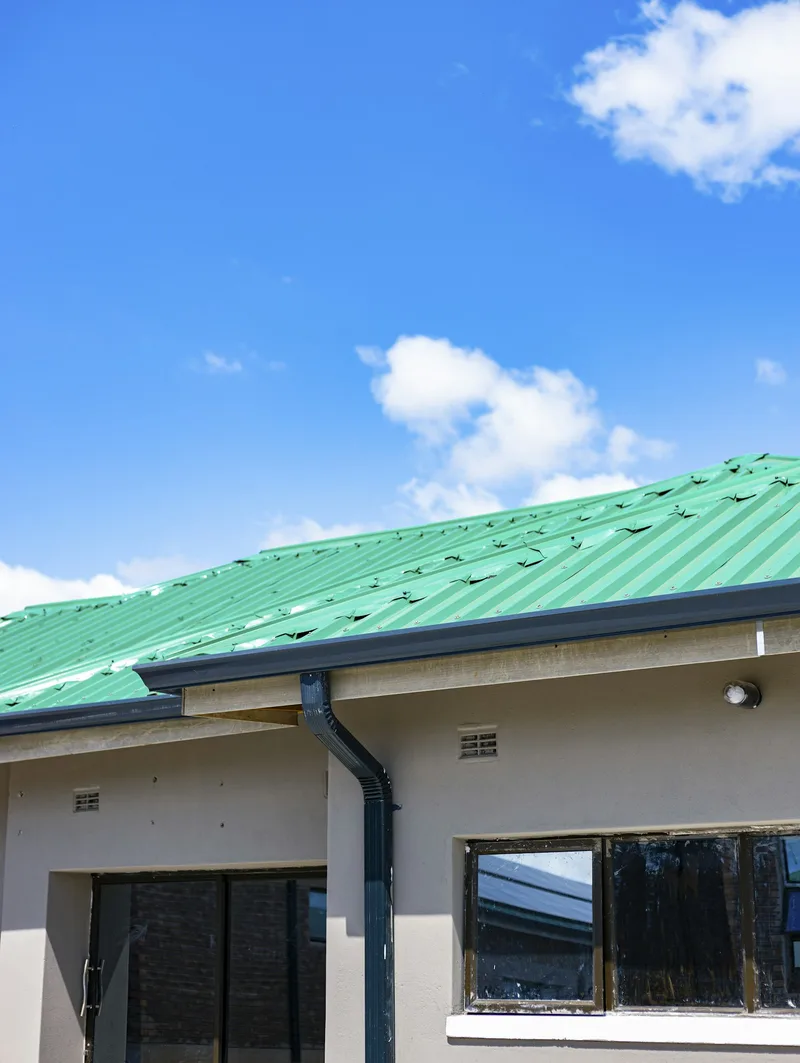
River valley weather in plain terms
The Saint John River moderates temperatures somewhat, but it also contributes to damp air, fog, and humid summers. Homes near the river, on lower ground, or in sheltered valleys may stay damp longer after rain than homes on higher, wind exposed sites. In winter, moist air can condense in cold attics if ventilation is poor. In spring, snowmelt and rain can arrive together, putting gutters, valleys, and drainage under pressure. Summer storms can bring sudden downpours and gusty winds, sometimes from different directions within a single storm. A roof assessment for a Fredericton home should consider exposure, surrounding trees, roof pitch, and drainage, not just the age of the current roofing. Two homes a few streets apart can face quite different wind and moisture conditions.
Wind and fastening details
Wind resistance comes largely from how a metal roof is fastened, not just from the panels themselves. Proper fastener type, spacing, and placement matter, especially at eaves, ridges, gables, and other edges where wind uplift forces are strongest. Standing seam systems, for example, use concealed clips that allow for expansion while holding panels securely, and the details of that system affect wind performance. Exposed fastener systems rely on screws with seals that need correct placement and periodic checking. Roof shape also matters. Hip roofs, gable roofs, and homes with dormers or additions each create different wind patterns. A local professional should review your roof geometry and exposure and explain how the chosen system will be secured. If you are considering an upgrade, explore standing seam metal roofing and ask how its fastening system suits windy, exposed sites.
Rain, seams and flashing
Heavy rain tests seams, overlaps, and flashing. Metal panels shed water quickly, which is an advantage during downpours, but water still needs a clear path off the roof and away from the house. Valleys should be formed and flashed to carry large volumes without backing up. Flashing around chimneys, skylights, vents, and wall intersections must be tight and properly lapped so water flows over, not under, each layer. Eaves and gutters matter too. Undersized or clogged gutters can overflow during intense rain, sending water down walls or toward foundations. Downspouts should direct water well away from the house, which is especially important on lower lying lots near the river. During an assessment, ask how the installer plans to handle valleys, penetrations, and drainage as a complete system, rather than focusing only on panel choice.
Humidity, condensation and ventilation
Humidity is a quieter threat than wind or rain, but it can cause lasting damage. Warm, moist indoor air can condense on cold roof surfaces in winter, and humid summer air can keep attics damp if airflow is poor. Over time, persistent dampness can affect insulation, wood framing, and indoor air quality. Good attic ventilation, air sealing, and proper vapour control help manage this balance, but the right approach depends on the home's construction and heating system. Bathroom and kitchen fans should vent outside, not into the attic, and attic hatches should be sealed and insulated. A metal roof does not by itself solve condensation, and in some cases a new roof project is the right time to correct ventilation issues. If dampness, mould, or musty smells have been a problem, raise them during your assessment so they are addressed as part of the roofing plan.
Spring melt and freeze-thaw
Fredericton's spring transition can be hard on roofs. Snow that has sat for months begins to melt, often while nights still drop below freezing. Meltwater can refreeze at eaves, in valleys, and in gutters, creating ice that blocks drainage. At the same time, rain may add to the meltwater load. Metal roofing can help by shedding snow and meltwater more readily than rougher surfaces, but drainage still needs to work. Clear gutters, properly placed downspouts, and ice protection at vulnerable areas all help. Snow guards can also play a role by controlling how snow leaves the roof above walkways and entrances, which matters when large spring slides occur. For homes with repeated spring leaks, a professional should look at the full meltwater path, from roof surface to ground drainage, rather than treating one leak in isolation.
Maintenance after storms
After a major wind or rain event, a quick check from the ground can catch problems early. Look for loose or lifted panels, displaced flashing, damaged gutters, debris in valleys, and new stains on ceilings or upper walls. Do not climb onto a wet, steep, or damaged roof yourself. If you notice damage, contact a local professional promptly, and keep photos and notes about when the storm occurred and what you observed. Routine maintenance also helps. Keeping gutters clear, trimming overhanging branches, and checking seals and fasteners periodically can extend roof life. If storm damage is found, learn about metal roof repair options, and if your roof is near the end of its life, consider metal roof replacement as part of a longer term plan. A well installed metal roof, matched to river valley wind, rain, and humidity, can give Fredericton homeowners confidence through every season.
Ready to talk about your roof? Get a free quote or call 506-406-9037.